

How to Recognize a High Jewelry Jeweler
High Jewelry is rarely seen in a shop window. Anyone looking for such pieces needs criteria that can be checked in conversation and on the piece itself.
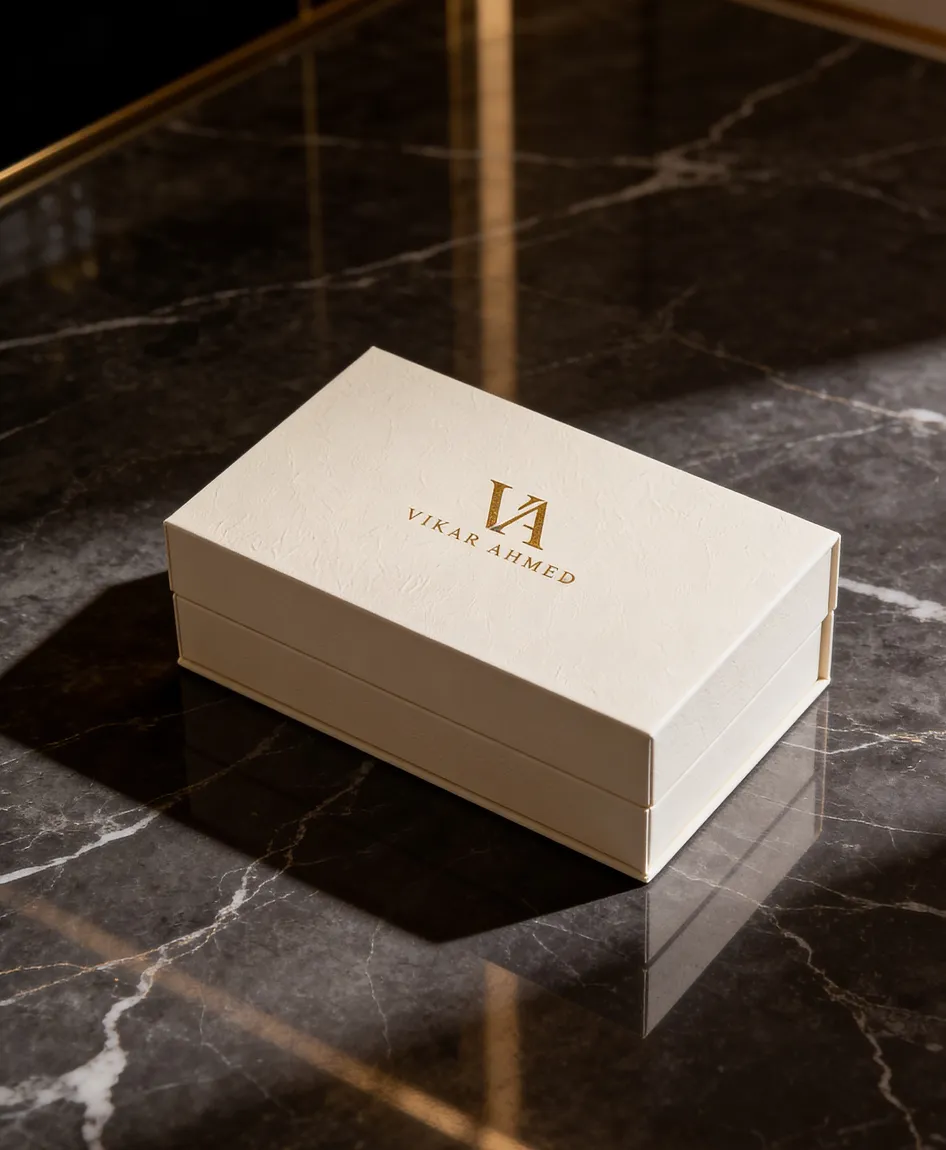
A High Jewelry jeweler shows one-of-a-kind pieces with rare stones whose design and production it is itself responsible for. This can be recognized by an in-house atelier, written information on gemstone type and treatment, clean setting work down to the back of the piece, and a consultation that usually takes place by appointment and without haste.
At a glance
- High Jewelry
- One-of-a-kind pieces with rare stones, not a protected term
- Jeweler and goldsmith
- One trades in jewelry, the other makes it, often both under one roof
- Most important evidence
- Laboratory report with gemstone type and detectable treatments
- Report for mounted stones
- Possible at GIA for mounted stones too, as long as they are polished
- Fineness
- On jewelry in parts per thousand, for example 750 for 18 karat
- Typical consultation
- By appointment, private, with time for comparison on the piece
What defines a High Jewelry jeweler
High Jewelry refers to jewelry of the highest category: one-of-a-kind pieces or very small series in which a rare stone and an original design come together. A jeweler showing such pieces differs from an ordinary jewelry store less in the furnishing of the shop than in what stands behind the pieces. It can say where the design comes from, who did the setting and what is documented about the stone.

In everyday language, jeweler and goldsmith are often treated as the same. Strictly speaking, a jeweler trades in jewelry and gemstones, while a goldsmith makes jewelry. Many houses combine both. For High Jewelry, this combination is important, because a rare stone rarely fits a standard setting. Anyone who only offers finished goods from manufacturers cannot develop a design around a particular stone.
The term High Jewelry is not tied to any examination. Every store may use it. It therefore helps to read it as a claim that must be substantiated. The overarching criteria by which a jewelry house of standing can be measured are described in the guide How to recognize a luxury jewelry house of standing. Here the question is how you can check this concretely during a visit and on the individual piece.
In-house atelier or bought-in goods
The first question during a visit is: where was this piece made? A house with its own atelier can describe the path from design to polishing and often shows sketches or three-dimensional renderings. A dealer names the brand or the manufacturer. Both are legitimate. For a one-of-a-kind piece made to your own wishes, however, you need someone who designs and makes it personally or works closely with a workshop and says so openly.
One indication of in-house production is how concrete the answers are. Anyone who does the setting can explain why an emerald sits in a bezel and a diamond in prongs, and what that means for everyday wear. Anyone who buys in usually remains general on such questions. A bespoke jeweler also shows how a design is created and at which point you can still change it.
What separates a masterpiece from a shop window piece
A High Jewelry piece is recognized first by its stone. It is rare in type, color or size and carries the design. With colored gemstones, color matters above all, with diamonds the interplay of the 4Cs. The second feature is the setting work. Prongs should be evenly shaped and sit snugly against the stone, rows of stones should run straight, and pavé surfaces should appear without gaps. The third is the back: with careful work, it too is polished and well considered.
The setting also reveals whether a piece is built for where it is worn. GIA describes how a bezel protects the edges of a stone very well, while prongs let in more light but must be checked regularly. For pavé and halos of many small stones, GIA points to greater care requirements. A good house explains such decisions of its own accord and does not conceal the disadvantages.
Checking with loupe and light
- Prongs: equal in height and width, without sharp edges that catch on fabric.
- Stone seat: no wobbling, no visible gap between stone and metal.
- Back: cleanly finished, openings under the stones even.
- Moving parts: links without play, clasps with a second safety catch.
- Hallmark: fineness in parts per thousand, for example 750 for 18 karat gold.
Which documents accompany a piece
A significant stone comes with a report from an independent laboratory. For colored gemstones, GIA determines the gemstone type in its identification report and lists detectable treatments. This report is possible for any polished stone, whether loose or already mounted. At GIA, a report stating the country of origin is available only for certain stones, including emerald, ruby, sapphire and Paraíba tourmaline. For a rubellite, this information is therefore missing for good reason.
Treatments are common in colored gemstones and are not a defect in themselves. GIA names, among others, heating, irradiation and the filling of fractures. According to GIA, disclosure is mandatory for anyone who passes on a stone, and associations such as AGTA, ICA and CIBJO regulate this for their members. A High Jewelry jeweler states treatments in writing and without being asked. The glossary explains exactly what the term covers under treatment.
For the metal, the German Hallmarking Act (Feingehaltsgesetz) applies in Germany. Jewelry may be made in any fineness. If the fineness is stated, it must be in parts per thousand, and the seller is liable for its accuracy. 750 means 75 percent fine gold. This law does not regulate platinum. An appraisal is a further, separate document: it estimates a value, whereas a laboratory report, according to GIA, describes quality and states no monetary value.
| Document | What it states | What it does not do |
|---|---|---|
| Identification report | Species and detectable treatments, including for set stones | Names no country of origin and no monetary value |
| Origin report | Country of origin for stones such as emerald, ruby, sapphire, and Paraíba tourmaline | Not available for every species, for example not for rubellite |
| Fineness hallmark | Fineness in parts per thousand; 750 means 75 percent fine gold | The German Hallmarking Act does not cover platinum |
| Appraisal | Estimates a value | Does not describe quality the way a laboratory report does |
Based on GIA and the German Hallmarking Act. Clarify which document belongs to a piece before you decide.
The private appointment in the showroom
High Jewelry is rarely chosen in passing. Many houses advise by appointment, because a conversation about stones takes time and pieces are prepared for it. A private appointment has the advantage for you that you can see pieces under different light and side by side and ask questions without other customers waiting. How an appointment in the showroom differs from choosing online is described in Showroom or online.

- Clarify your requestSay in advance whether you would like to see an existing piece or have a one-of-a-kind piece designed.
- Describe the stoneName the gemstone type, color and approximate size so that suitable examples can be prepared.
- Note your questionsWrite down beforehand your questions on report, treatment, metal, production and service after handover.
- Examine the pieceCompare daylight and artificial light, look at the back and the setting with a loupe.
- Record in writingTake the information on stone and metal with you on paper, not only in memory.
Typical misconceptions in the search
- Taking the display for the full range: significant pieces are often not in the window.
- Assuming the term High Jewelry is verified: it is a self-description.
- Searching only by proximity: an hour's drive is short in relation to a piece for decades.
- Expecting an origin statement for every stone: laboratories determine it only for certain gemstone types.
- Deciding without written information on stone and treatment.
The third point concerns rural regions in particular. In the Naheland, the Hunsrück or the Palatinate, the number of houses with their own atelier for High Jewelry is limited. Instead of searching for the nearest store, it is worth asking who suits the desired piece. What clients from the region can expect at Vikar Ahmed is described on the page Jeweler for the Naheland.
High Jewelry at Vikar Ahmed
Vikar Ahmed is a High Jewelry Maison based in Idar-Oberstein, Hauptstr. 111, since 2004. The house designs and makes its pieces itself: in-house designers develop the design, a three-dimensional visualization with CAD makes the piece visible before production, and goldsmiths from Idar-Oberstein realize it as a one-of-a-kind piece in the in-house atelier. Setting and hand polishing are among the work steps the house names.
The house describes its showroom as a place of selection, not as a salesroom. Visits take place by appointment, and a virtual appointment is also possible. The stones in the pieces shown include Paraíba tourmaline, rubellite, Colombian emerald as well as colorless and natural fancy color diamonds. The house has diamonds graded almost exclusively by GIA, in exceptional cases by HRD Antwerp, and colored gemstones by Gübelin, SSEF, GRS, or the DGemG. Every treatment is disclosed in writing. More about the house under About Vikar Ahmed.
Frequently asked questions
Are there jewelers in Kirn with genuine High Jewelry masterpieces, or is it better to travel further?
Whether a house shows genuine masterpieces can be recognized by an in-house atelier, documented stones and clean setting work, not by the location. Vikar Ahmed has no location in Kirn and advises in Idar-Oberstein by appointment. More on this on the page Jeweler for Kirn.
Which jewelers in Kaiserslautern carry High Jewelry that you do not see in every store?
Rare pieces are found where design and production take place in-house and stones are documented with a report. Vikar Ahmed has no location in Kaiserslautern, but crafts in Idar-Oberstein. What clients from the city can expect is set out under Jeweler for Kaiserslautern.
Is High Jewelry a protected term?
No. The term is not tied to any examination or standard, and every store may use it. It describes an aspiration regarding stone, design and handwork. Whether a piece fulfills it is shown by the laboratory report, written information on treatment and the quality of the setting.
What is the difference between a jeweler and a goldsmith?
A jeweler trades in jewelry and gemstones, a goldsmith makes jewelry in the workshop. Many houses combine both. For a one-of-a-kind piece made to your own wishes, you need someone who designs and makes it personally or openly names its workshop.
Can a stone that is already mounted still receive a laboratory report?
Yes. For its identification report, GIA examines colored gemstones loose or mounted, as long as they are polished. For an origin report, only certain gemstone types such as emerald, ruby, sapphire or Paraíba tourmaline are eligible at GIA.
Why do many High Jewelry jewelers advise only by appointment?
Because a conversation about rare stones takes time and pieces are prepared specifically for it. During the appointment, stones can be compared under different light, settings examined with a loupe and questions about report and production clarified without haste. For you, this means calm and discretion.
Private consultation
If you would like to view High Jewelry at leisure or discuss a one-of-a-kind piece, arrange an appointment in the showroom in Idar-Oberstein or a virtual appointment. Your request will be handled discreetly. Request an appointment for a private consultation.
Further reading
- How to recognize a luxury jewelry house of standing
- Glossary: High Jewelry
- Timeless High Jewelry
- Price and value in High Jewelry
- Jeweler for the Naheland
Sources
- GIA: Colored Stone Reports, accessed 2026-11-17
- GIA: Gem Treatment, accessed 2026-11-17
- GIA 4Cs: Complete Guide to Engagement Ring Settings, accessed 2026-11-17
- Gesetz über den Feingehalt der Gold- und Silberwaren, accessed 2026-11-17
- GIA 4Cs: Difference between a Diamond Grading Report and an Appraisal, accessed 2026-11-17
- World Gold Council: Gold Jewellery, Colour, Carat and Purity, accessed 2026-11-17
- Vikar Ahmed: Über uns, accessed 2026-11-16
- Vikar Ahmed: Bespoke, Designprozess, accessed 2026-11-16
- Vikar Ahmed: Collections, accessed 2026-11-16

A personal conversation starts here.
At the showroom in Idar-Oberstein or by video. Vikar Ahmed discusses your ideas, stones and designs with you and answers your questions calmly and in confidence.


Thank you for your request.
Your request will be handled with the utmost attention and discretion. Vikar Ahmed will get back to you.
Your details
Request
–
Occasion
–
Consultation
–
Contact
–
In the meantime
Insights: What is a Paraíba tourmaline? · Engagement ring to your own design: how does it work?
Confidential and without obligation
Back to the pagePrivate consultation
A personal conversation starts here.
- Time for your questions, wishes and ideas
- In the showroom in Idar-Oberstein or by video
- Confidential, discreet and without obligation
Vikar Ahmed · Hauptstraße 111 · 55743 Idar-Oberstein, Germany