

Diamond Hand Jewelry
Jewelry that encloses the hand like a glove is among the most unusual forms in High Jewelry. It demands more technical skill than almost any other piece.
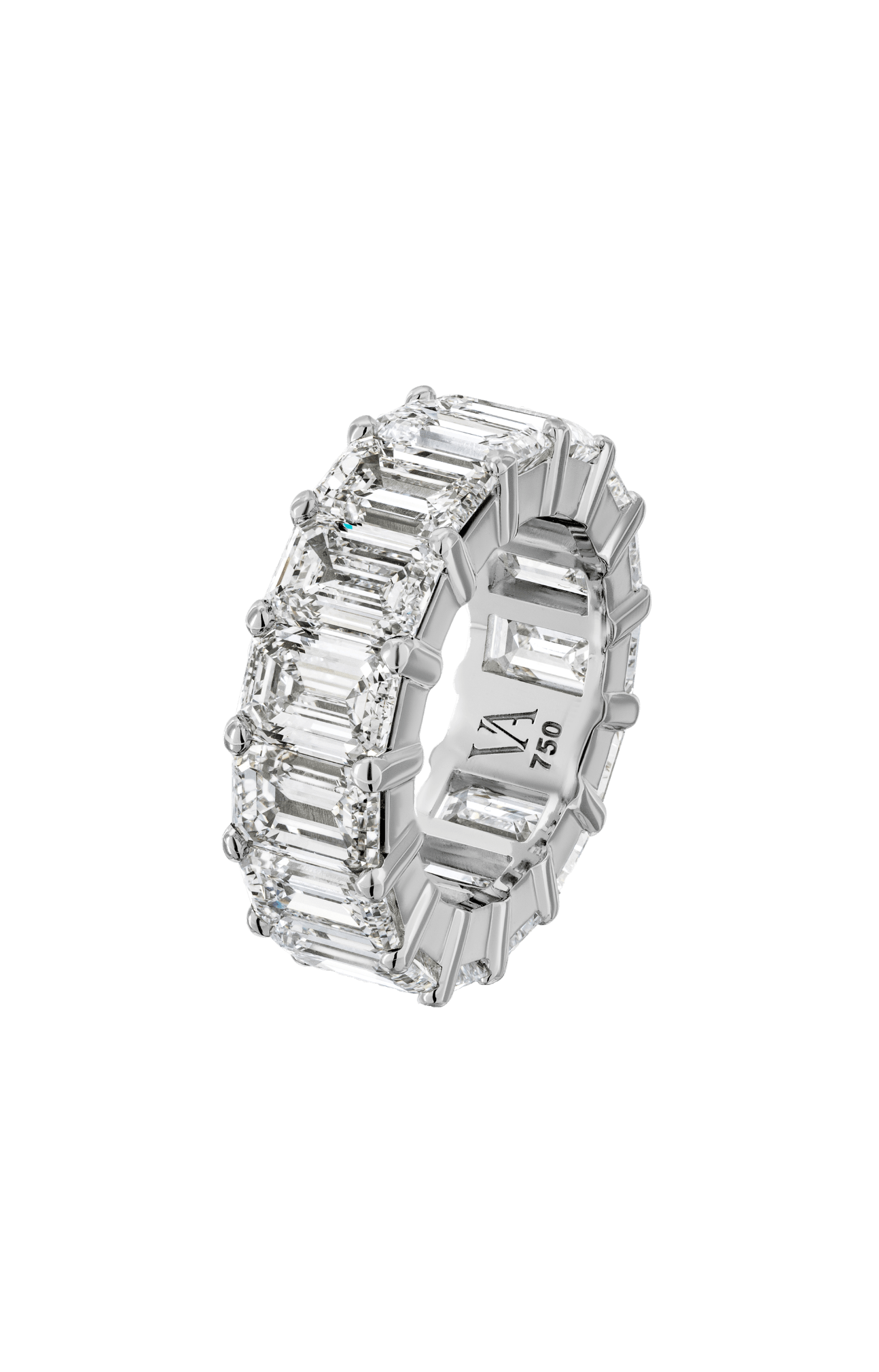
Diamond hand jewelry is a collector's piece when it is made as a handcrafted one-of-a-kind piece with high-quality, evenly matched diamonds and can be worn securely despite the many movements of the hand. Fashion versions in simple materials tend to follow the trend. The difference lies in stone quality, flexible construction, secure settings and execution down to the last detail.
At a glance
- Hand jewelry
- Jewelry that covers the back of the hand, the fingers or the whole hand
- Typical forms
- Hand chain with ring, back-of-hand jewelry, set glove
- Greatest challenge
- Flexibility of the hand without loose stones
- Robust settings
- Bezel and channel protect the edges of the stones
- Metal
- 18k (750) gold with 75 percent fine gold, stamped in parts per thousand
- Cleaning
- No ultrasonic or steam at home, it loosens stones
What is meant by hand jewelry
Hand jewelry is a collective term for pieces that go beyond the ring and bracelet and adorn the hand itself. The simplest form is the hand chain, in which a ring is connected to a bracelet by a chain or a set band. More elaborate are pieces that cover the back of the hand as a surface. The most demanding is the glove made of flexibly connected links, set with diamonds and following the shape of the hand.

Such pieces are rare because they are technically difficult. A hand is constantly moving, bending fingers, turning the wrist and gripping. A piece of jewelry lying on it must follow these movements without pressing and without stones coming loose. This makes hand jewelry fundamentally different from a ring or a bangle, which sit in one place and keep their shape.
Short-lived trend or timeless collector's piece
Hand jewelry reappears in fashion time and again, usually as a light chain of simple metal with glass stones. Such pieces follow the trend and disappear with it. A glove piece in gold with genuine, well-matched diamonds is something else. It takes many hours of handwork and retains its value because material and execution endure independently of fashion. It then belongs to High Jewelry in the true sense.
For a collector, such a piece is interesting above all as an expression of craftsmanship. It shows what a workshop masters technically: setting many small stones evenly, building flexible connections and designing the whole so that it looks natural on the hand. Whether a piece will be sought after later cannot be predicted. Stone quality, metal and execution, however, can be documented, and its lasting standing depends on them.
Construction: flexibility without risk
The heart of a glove piece is its construction. The links must be connected so that they move in the direction in which the hand moves and remain stable everywhere else. Every connection is a potential weak point. A careful workshop therefore plans the joints before the stones and checks on the model how the piece behaves when gripping, bending and turning.
- Joints follow the direction of movement of the fingers and wrist.
- Edges are rounded so that nothing presses into the skin.
- Stones in areas with a lot of contact sit lower or protected.
- Clasps at the wrist have an additional safety catch.
- The weight is distributed evenly across the back of the hand.
A three-dimensional visualization helps especially with this form. It shows before production how links and stones lie on the hand. It makes visible where a link is too long, where a stone would knock when the fingers bend, and how light travels across the surface. Changes at this stage require little effort. The glossary explains more about 3D design and its role in one-of-a-kind pieces.
Settings that hold on the hand
The hand knocks against things more often than any other place where jewelry is worn. This places special demands on the setting. GIA describes how prongs let a lot of light into the stone but can catch on fabric. A bezel protects the edges of the stone well and rarely catches, but lets in somewhat less light. A channel setting protects the edges between two metal walls. For hand jewelry, protected settings in exposed areas are usually the better choice.
At 10 on the Mohs scale, diamond is the hardest jewelry material. According to GIA, a hard blow in the direction of the cleavage planes can nevertheless split it. A loosened diamond can also wear down the softer metal of the setting over time. Surfaces of many small stones, meaning pavé, need occasional checking according to GIA so that all stones remain secure. For a piece that is constantly moving, this applies all the more.
| Setting | Strength | What to watch |
|---|---|---|
| Prongs | Let a lot of light into the stone | Can catch on fabric |
| Bezel | Protects the edges well and rarely catches | Lets in somewhat less light |
| Channel setting | Protects the edges between two metal walls | A protected choice for exposed areas |
| Pavé | Many small stones form a surface | Needs occasional checks so all stones stay secure |
Setting types based on GIA information, applied to a piece that moves with the hand.
Matching diamonds and metal
A glove piece usually carries many small diamonds instead of one large center stone. Their effect depends on uniformity. Side by side, differences in color and clarity quickly become noticeable. GIA grades clarity at tenfold magnification on a scale with eleven grades. For an even surface, it matters that all stones come from a narrow quality range. The glossary summarizes the basics under 4Cs.

For the metal, 18k (750) gold is a natural choice. It consists of 75 percent fine gold and becomes harder than pure gold through the other metals. According to the World Gold Council, rose gold gets its tone from copper and gives colorless diamonds a warm frame. White gold is usually rhodium-plated and recedes behind the stones. Under the German Hallmarking Act (Feingehaltsgesetz), the fineness of jewelry must be stated in parts per thousand, so for 18k gold with the number 750.
Wearing, care and storage
Hand jewelry is a piece for special occasions, not for everyday life with keyboard, shopping bag and hand washing. It should be taken off before putting on gloves, handling bags with metal fittings or during sport. For cleaning, GIA recommends a lint-free cloth, commercial jewelry cleaners or mild household dish soap. Ultrasonic and steam cleaners do not belong in the household, because they can loosen stones in the setting.
Such a flexible piece is best stored flat and on its own, so that the links do not twist and the diamonds do not rub against other jewelry. Before an important occasion, a brief look at joints and clasp is worthwhile. Anyone who wears the piece more often has the settings checked in the workshop at regular intervals. What matters for settings in daily use is also shown in the guide on the diamond bangle.
Hand jewelry as a one-of-a-kind piece
Because every hand is different, high-quality hand jewelry is almost always made to measure. Among the bespoke projects that Vikar Ahmed names on its website is a Diamond Glove. Bespoke pieces there are created in three steps: design by in-house designers, three-dimensional visualization and production as a one-of-a-kind piece in the in-house atelier in Idar-Oberstein. As a guide, the house gives about one to three months for High Jewelry and bespoke projects. How such a design is created is described in the guide Bespoke design.
- Idea and occasionClarify how and when the piece will be worn and which parts of the hand it should cover.
- Measuring the handMeasure hand, fingers and wrist precisely, at rest and in motion.
- Design and 3D modelDraw links, joints and stone setting and check them in three dimensions.
- Production and fittingBuild the piece in the workshop, adjust it and check all settings.
Frequently asked questions
Diamond hand jewelry: short-lived trend or timeless collector's piece?
Both exist. Fashionable hand chains in simple materials follow the trend. A piece in gold with high-quality, evenly matched diamonds and a well-considered flexible construction, on the other hand, is a handcrafted one-of-a-kind piece. As such, it can be a collector's piece, because stones, metal and execution endure independently of fashion.
Can diamond hand jewelry be worn every day?
Rather not. The hand constantly knocks against things, grips and is washed. This puts more strain on joints and settings than with any other jewelry. Hand jewelry is therefore a piece for occasions. Anyone who wishes to wear it more often should choose protected settings and have the piece checked regularly in the workshop.
Which setting is suitable for diamonds on the hand?
In areas with a lot of contact, bezel and channel settings are the most secure, because they protect the edges of the diamonds and rarely catch on fabric. Prongs let more light into the stone but are more vulnerable. A good workshop combines both and uses protected settings where the hand knocks against things most often.
Rose gold or white gold for hand jewelry?
That is a question of effect. Rose gold gets its warm tone from copper and frames colorless diamonds with visible contrast. White gold recedes behind the stones, so that the surface seems to consist almost entirely of light. Both versions in 18k (750) gold contain 75 percent fine gold and are of equal value.
How do you clean hand jewelry with many small diamonds?
At home with a lint-free cloth, a commercial jewelry cleaner or mild dish soap, then dry thoroughly. Ultrasonic and steam cleaners are not suitable for use at home, because they can loosen stones in the setting. A thorough cleaning is better left to the workshop, which also checks joints and settings in the process.
Why is hand jewelry usually made to measure?
Because a hand is highly individual in size, finger length and flexibility. A piece that lies on the back of the hand and is connected to a ring and bracelet must fit precisely so that it neither presses nor slips. A made-to-measure design with a three-dimensional preview makes this fit visible before production.
Private consultation
A piece for the hand begins with a conversation about occasion, effect and how it feels to wear. In a personal appointment in Idar-Oberstein or virtually, you discuss design, stones and metal with Vikar Ahmed. You submit your request via the contact page, and it is handled discreetly.
Further reading
- Bespoke design: how a one-of-a-kind piece is created
- Diamond bangle: metal, setting and design
- Assessing diamond bracelets correctly
- Diamond masterpieces for the collection
- Glossary: Bespoke
Sources
- GIA 4Cs: Complete Guide to Engagement Ring Settings, accessed 2026-11-17
- GIA: Diamond Care and Cleaning, accessed 2026-11-17
- GIA 4Cs: Diamond Clarity, accessed 2026-11-17
- World Gold Council: About gold jewellery, accessed 2026-11-17
- GIA: Guide to White, Yellow, and Rose Gold Engagement Rings, accessed 2026-11-17
- Gesetz über den Feingehalt der Gold- und Silberwaren (FeinGehG), accessed 2026-11-17
- Vikar Ahmed: Bespoke, accessed 2026-11-17

A personal conversation starts here.
At the showroom in Idar-Oberstein or by video. Vikar Ahmed discusses your ideas, stones and designs with you and answers your questions calmly and in confidence.


Thank you for your request.
Your request will be handled with the utmost attention and discretion. Vikar Ahmed will get back to you.
Your details
Request
–
Occasion
–
Consultation
–
Contact
–
In the meantime
Insights: What is a Paraíba tourmaline? · Engagement ring to your own design: how does it work?
Confidential and without obligation
Back to the pagePrivate consultation
A personal conversation starts here.
- Time for your questions, wishes and ideas
- In the showroom in Idar-Oberstein or by video
- Confidential, discreet and without obligation
Vikar Ahmed · Hauptstraße 111 · 55743 Idar-Oberstein, Germany