

A 1-Carat Engagement Ring: Color, Clarity, Report
For many, one carat is the desired size for a diamond. The quality that suits it depends on the metal, the cut, and what you want to see in the stone.
For a 1-carat diamond in white gold or platinum, GIA recommends color G to H or better; in yellow or rose gold, G or lower is sufficient. In clarity, most stones up to VS2 or SI1 show no easily visible inclusions. A report from an independent laboratory such as GIA should document weight, color, and clarity.
At a glance
- 1 carat
- 200 milligrams, divided into 100 points
- Color in white gold
- G to H or better, according to GIA
- Color in yellow or rose gold
- G or lower is sufficient, according to GIA
- Usually eye-clean up to
- Usually up to VS2 or SI1, depending on position and type of inclusions
- Magic sizes
- 1.00, 1.50, and 2.00 carats
- Cut grade in GIA report
- Only for round brilliants
- GIA Diamond Dossier
- For 0.15 to 1.99 carats, with laser inscription of the report number
What one carat means
Carat is a weight, not a size. According to the Gemological Institute of America, GIA for short, one metric carat equals 200 milligrams and is divided into 100 points. A stone of 0.50 carat is therefore also called a fifty-pointer in the trade. How large a one-carat diamond looks on the finger depends on its cut and proportions. Two stones of the same weight can appear noticeably different in size and differ greatly in value.
GIA calls 1.00, 1.50, and 2.00 carats magic sizes because they are in particularly high demand. A stone of 0.99 carat can hardly be distinguished by eye from one of 1.00 carat, yet according to GIA the price difference can still be considerable. Those not fixed on the round number gain room for color, clarity, or cut with a stone just below it. More on the trade-off in the guide Clarity or carat.
Which color a 1-carat diamond needs
GIA grades color on a scale from D, completely colorless, to Z, light yellow or brown. The grades are determined by comparison with stones of known color under controlled lighting. According to GIA, most people cannot detect color into the G range unless they see two stones directly side by side. Small differences in color are hardly visible, but according to GIA they change quality and price considerably.
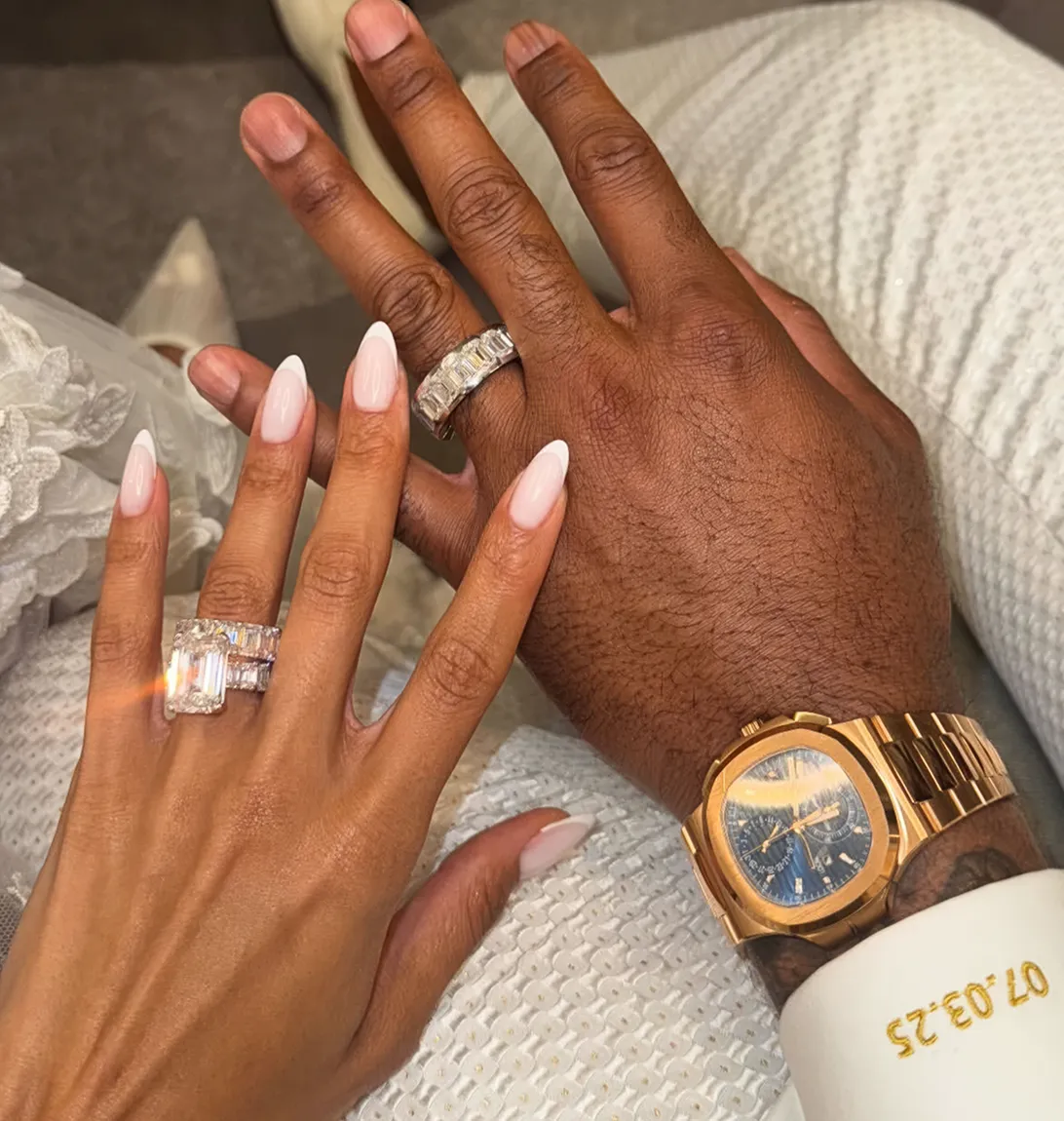
The metal shifts the boundary. For white gold and platinum, GIA generally recommends color G to H or better, because the white metal reveals any tint in the stone. In yellow or rose gold you can save with G or lower, since the warm metal is reflected in the stone anyway. Step cuts such as the emerald cut and shapes with points show color more clearly than a round brilliant.
| Setting | Color according to GIA | Note |
|---|---|---|
| White gold or platinum | G to H or better | White metal reveals any tint |
| Yellow gold or rose gold | G or lower | Warm metal masks a slight tint |
| Emerald cut, pear, marquise | Rather one grade higher | Step cuts and points show color more clearly |
Guidance based on GIA. What remains decisive is looking at the individual stone in the intended metal.
Which clarity makes sense
The GIA clarity scale has eleven grades, assessed under tenfold magnification: from Flawless through Internally Flawless, VVS1 and VVS2, VS1 and VS2, SI1 and SI2, to I1, I2, and I3. According to GIA, most diamonds up to VS2 or SI1 show no inclusions that are easily seen with the naked eye. For an engagement ring, a higher grade is therefore mainly a question of rarity, not of visible beauty.
At one carat, the position of the inclusions matters. Inclusions near the edge or under facets are less noticeable than those in the middle of the table. Brilliant cuts hide inclusions better than step cuts. At very low clarity such as I2 or I3, the stone can, according to GIA, be more vulnerable. Avoid large fractures that reach the surface, especially at the girdle or at points. More on the scale in the glossary under 4Cs.
Cut, shape, and fluorescence
The cut determines brightness, fire, and sparkle. GIA assigns an overall cut grade only to round brilliants. For fancy shapes such as oval or emerald cut, the report states polish and symmetry, and the effect must be judged on the stone. For emerald cut, cushion, and pear, GIA names a popular length-to-width ratio between 1.50 and 1.75 to 1. The guide Cut for an engagement ring explains which shape suits your hand.
According to GIA, about one third of diamonds show visible fluorescence, that is, a glow under ultraviolet light. In over 95 percent it is blue. In very high color grades from D to F, strong fluorescence can reduce value; in lower color grades, a blue glow can even improve the appearance. Very strong fluorescence can look milky in sunlight. The report states its strength.
What the report provides for one carat
A report from an independent laboratory is indispensable at one carat. According to GIA, it documents whether the stone is natural and whether it has been treated, and records the 4Cs. The GIA Diamond Grading Report includes a plot in which the inclusions are marked. The GIA Diamond Dossier for stones of 0.15 to 1.99 carats omits this plot; instead, the report number is laser-inscribed on the girdle.
For a one-carat stone, both reports are possible. The laser inscription helps identify the stone later, and the plot shows where the inclusions lie. A report is not an appraisal; it describes quality. For insurance, an appraiser prepares a valuation on this basis. The glossary explains under GIA report what the report contains in detail.
So the ring does not look mass-produced
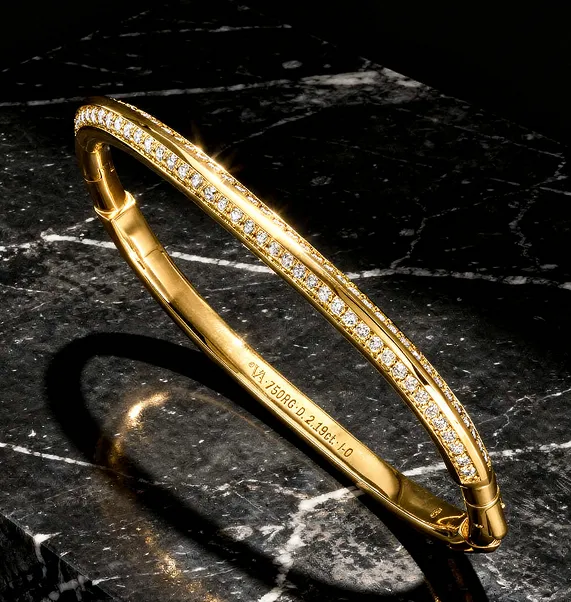
A one-carat diamond in four prongs on a plain shank is a very common sight. It becomes distinctive through the design, not through the weight. Options include an unusual shape such as an emerald cut or radiant cut, a bezel instead of prongs, a shank with its own profile, or side stones. For side diamonds, GIA advises choosing them similar to the center stone in the 4Cs.
- Shape: emerald cut, oval, or radiant cut instead of a round brilliant.
- Setting: bezel, prongs in a distinctive form, or a basket open at the sides.
- Shank: split, twisted, or with a finely worked profile.
- Details: small stones in places only the wearer sees.
- Metal: two colors, such as a rose gold shank with white prongs.
Common mistakes at one carat
- Focusing only on the round number: according to GIA, 0.99 carat can hardly be distinguished from 1.00.
- Insisting on color D and Flawless clarity although the eye cannot see the difference.
- Choosing a stone without an independent report.
- Setting a high color grade in yellow gold, where it hardly shows to advantage.
- Overlooking cut quality: it determines brightness, fire, and sparkle.
Many underestimate the last point. According to GIA, the cut depends on proportions, symmetry, and polish, and a smaller stone can be just as beautiful and carefully crafted as a larger one. GIA advises viewing the stone under different lighting: daylight, cool artificial light, and warm light as at home. Cool light shows brightness, warm light shows fire. In the end, choose the stone you like best in comparison.
One carat at Vikar Ahmed
At Vikar Ahmed, engagement rings are designed individually and made in Germany. Every line, every diamond, and every detail can be tailored. The house's pieces include, among others, D Flawless diamonds, settings in 18k (750) white gold and rose gold, and cuts such as the emerald cut and radiant cut. For the center stone, the house uses only natural, GIA-certified diamonds from 0.50 carats, in color D to H and clarity IF to VS2, at most a very clean SI1, and for round brilliants ideally with Triple Excellent.
Frequently asked questions
What minimum color and clarity should a 1-carat diamond in an engagement ring have?
In white gold or platinum, GIA advises color G to H or better; in yellow or rose gold, G or lower is sufficient. In clarity, most stones up to VS2 or SI1 are free of inclusions easily visible to the naked eye. More important than the grades is a good cut.
Recommend a 1-carat diamond engagement ring that does not look mass-produced.
Rather than a specific model: choose a distinctive shape such as an emerald cut or oval, a setting with its own line, and a shank with a profile. An individually designed ring, in which stone and setting are planned together, looks least like a series piece.
Recommend a 1-carat diamond engagement ring in white gold.
A stone with color G to H or better makes sense, because the white metal reveals any tint. Prongs expose much of the stone and let in light, while a bezel protects its edge. Those undecided between white gold and platinum will find the comparison in the guide to both white metals.
Which engagement rings with one or two carats offer good value for money?
Rings with a stone just below a magic size such as 1.00 or 2.00 carats. Add to this a color that suits the metal, a clarity without visible inclusions, and a very good cut. Higher grades that the eye cannot see cost a lot and bring little.
How large is a one-carat diamond?
This cannot be stated exactly, because carat is a weight. One carat equals 200 milligrams. How large the stone looks from above depends on cut, shape, and proportions. Two stones of the same weight can therefore appear different in size.
Is a diamond with fluorescence worth it?
That depends on the color grade. For stones of colors D to F, strong fluorescence can reduce value, according to GIA. In lower color grades, a blue glow can even improve the appearance. You should avoid very strong fluorescence that looks milky in sunlight.
Private consultation
Which combination of color, clarity, and cut suits your ring is shown by direct comparison. Vikar Ahmed advises in the showroom in Idar-Oberstein by appointment, in person or virtually. Tell us the metal and shape you have in mind. Arrange a private consultation.
Further reading
- Glossary: Carat
- Clarity or carat in a diamond
- Platinum or 18k (750) white gold
- Gemstone: Diamond
- The solitaire as an engagement ring
Sources
- GIA 4Cs: Diamond Carat Weight, accessed 2026-11-17
- GIA: 4Cs Carat, accessed 2026-11-17
- GIA: 4Cs Color, accessed 2026-11-17
- GIA: 4Cs Clarity, accessed 2026-11-17
- GIA 4Cs: How to Buy a Quality Diamond, accessed 2026-11-17
- GIA 4Cs: Tips for Buying an Engagement Ring, accessed 2026-11-17
- GIA: Diamond Grading Reports und Diamond Dossier, accessed 2026-11-17
- GIA 4Cs: Diamond Clarity, accessed 2026-11-17
A personal conversation starts here.
At the showroom in Idar-Oberstein or by video. Vikar Ahmed discusses your ideas, stones and designs with you and answers your questions calmly and in confidence.





Thank you for your request.
Your request will be handled with the utmost attention and discretion. Vikar Ahmed will get back to you.
Your details
Request
–
Occasion
–
Consultation
–
Contact
–
In the meantime
Insights: What is a Paraíba tourmaline? · Engagement ring to your own design: how does it work?
Confidential and without obligation
Back to the pagePrivate consultation
A personal conversation starts here.
- Time for your questions, wishes and ideas
- In the showroom in Idar-Oberstein or by video
- Confidential, discreet and without obligation
Vikar Ahmed · Hauptstraße 111 · 55743 Idar-Oberstein, Germany