

When Higher Clarity Is Worthwhile in a Diamond Ring
Clarity is graded under tenfold magnification, while a ring is viewed with the naked eye. Between the two lies the question of when a higher grade still makes a difference on the finger.
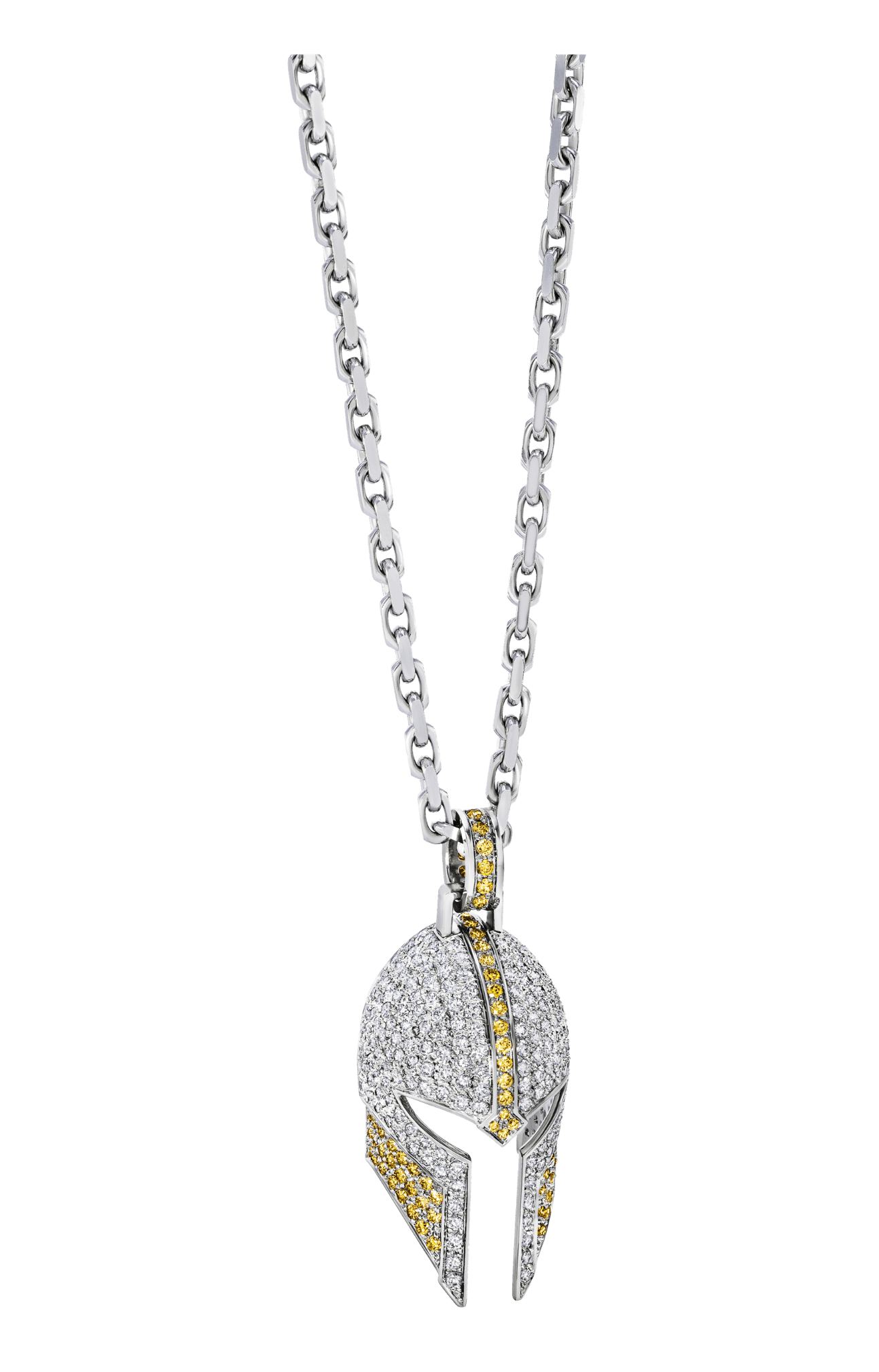
Higher clarity is worthwhile when the difference is visible or when rarity is the goal. It becomes visible above all in step cuts such as the emerald cut and in large stones. In smaller brilliants, inclusions of middle grades often cannot be seen with the naked eye. The highest grades are primarily a matter of rarity.
At a glance
- GIA scale
- 6 categories with 11 grades, from Flawless to Included
- Grading
- By trained graders at tenfold magnification
- Most common grades
- VS and SI
- Higher grade matters for
- Emerald cut and other step cuts, large stones
- Lower limit
- Grades I1 to I3: transparency and brilliance can suffer
What the clarity scale measures
Clarity describes how free a diamond is of internal characteristics, the inclusions, and of external characteristics on the surface. The Gemological Institute of America (GIA) arranges it in six categories with eleven grades. Grading takes place at tenfold magnification. The number, size, nature, position, and relief of the characteristics all feed into the grade. That is why an inclusion right under the table can weigh more heavily than several small ones at the edge.
| Category | Grades | At tenfold magnification |
|---|---|---|
| Flawless | FL | No inclusions, no external characteristics |
| Internally Flawless | IF | No inclusions, only external characteristics |
| Very, Very Slightly Included | VVS1, VVS2 | Inclusions difficult for a skilled grader to find |
| Very Slightly Included | VS1, VS2 | Inclusions seen with effort, classed as minor |
| Slightly Included | SI1, SI2 | Inclusions noticeable |
| Included | I1, I2, I3 | Inclusions obvious, with possible effects on brilliance and durability |
GIA clarity scale. All descriptions apply to trained graders using a loupe, not to the naked eye.
The scale therefore does not say what can be seen on the finger. According to GIA, many inclusions and external characteristics cannot be seen with the naked eye. Most diamonds in the jewelry trade lie between VS and SI. Diamonds with no characteristics at all are rare, and this rarity shapes their value.
When a higher grade becomes visible
The cut determines how much of its interior a stone shows. A brilliant cut breaks the light into many small reflections in which a fine inclusion disappears. A step cut such as the emerald cut has long, rectangular facets and a large, open table. GIA points out that inclusions are easier to see in such cuts and that higher clarity is therefore important.
The second factor is size. The facets grow with the stone, and every facet is a window. A characteristic that vanishes in a small brilliant can stand out in a large stone. The third factor is position: an inclusion at the edge can often be hidden under a prong, one in the middle of the table cannot.
- Emerald cut and other step cuts: higher clarity is visible in the stone.
- Large stones: inclusions are more noticeable than in small ones.
- Brilliant cuts in smaller sizes: middle grades often look flawless to the naked eye.
- Colored diamonds: color is in the foreground, clarity recedes.
When the higher grade exists mainly on paper
Between two neighboring grades at the top of the scale lies a difference that even specialists can only detect under a loupe. On the finger, a VVS stone and a Flawless stone look the same. Choosing between them is not a decision about the appearance of the ring, but about rarity. That is a legitimate reason, but a different one from beauty.
For the effect of a diamond, the cut usually matters more than an additional clarity grade. A very well-cut stone of medium clarity looks livelier than a flawless one with weak proportions. It therefore makes sense to consider the 4Cs together. How clarity and weight relate is shown in the guide Clarity and carat in a diamond.
Good to know
In a GIA report, the clarity characteristics are marked in a diagram of the stone. It shows where an inclusion lies. Two stones with the same grade can therefore look very different.
The lower limit
In the lowest category, inclusions are obvious. According to GIA, they can impair transparency and brilliance, and in some cases durability. An inclusion that reaches the surface is a weak point at which a stone is more likely to chip on impact. For a ring worn every day, this is more than a visual question.
D Flawless or slightly lower clarity
Anyone who regards a diamond as a rare piece seeks the top of the scales. The combination of color D and clarity Flawless is called D Flawless. Here the higher grade is not a means to an end but the subject itself. A prerequisite is an independent report, because the differences cannot be established without a laboratory.
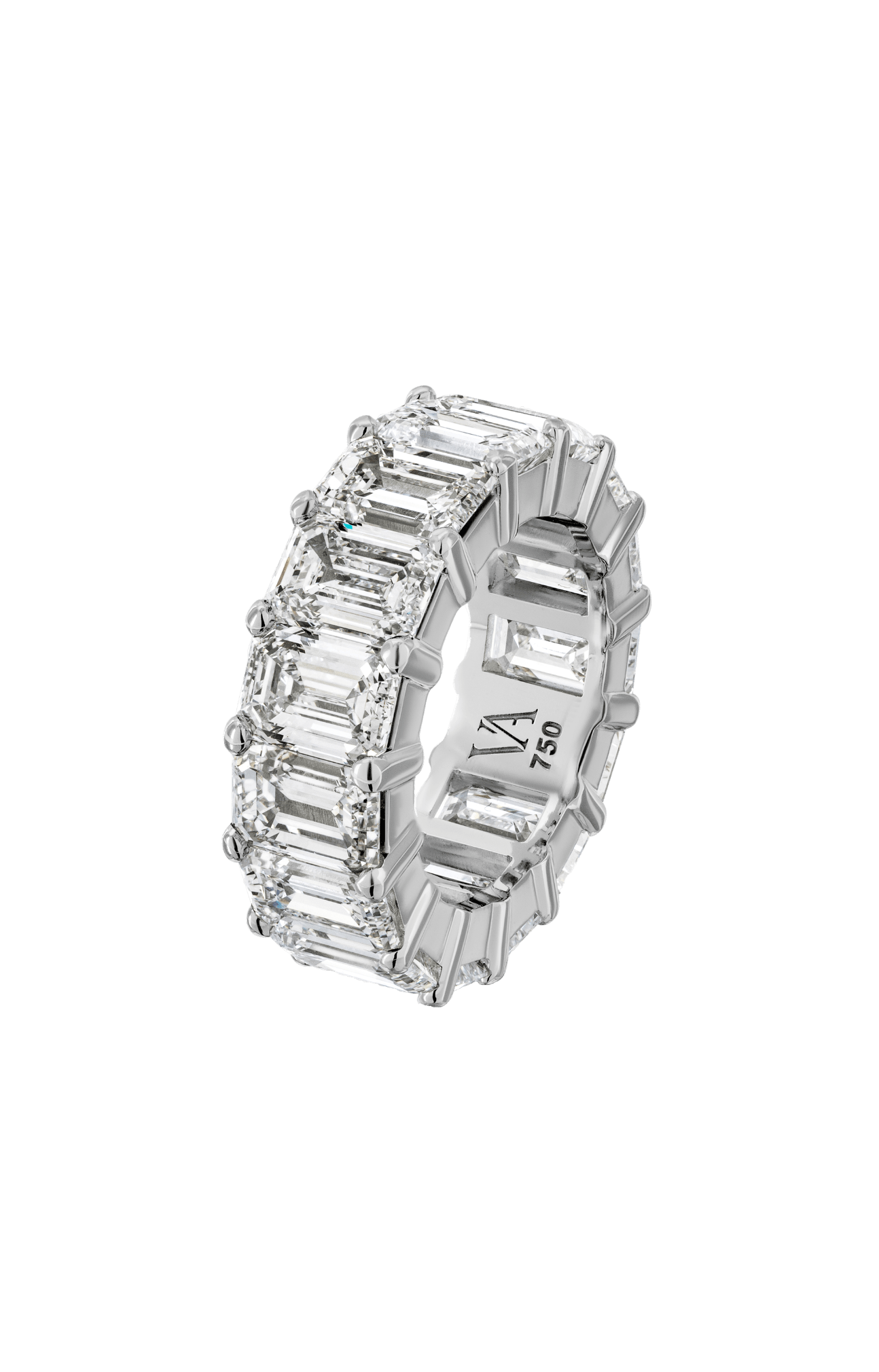
Comparison with the next grade shows what is at stake. With VVS, according to GIA's description, inclusions are difficult to find even for trained graders under a loupe. The top grade therefore brings no visible improvement on the ring. Anyone planning a large solitaire and seeking above all visual effect is usually well advised to choose a very well-cut stone in VVS or VS. Anyone seeking rarity deliberately chooses the top.
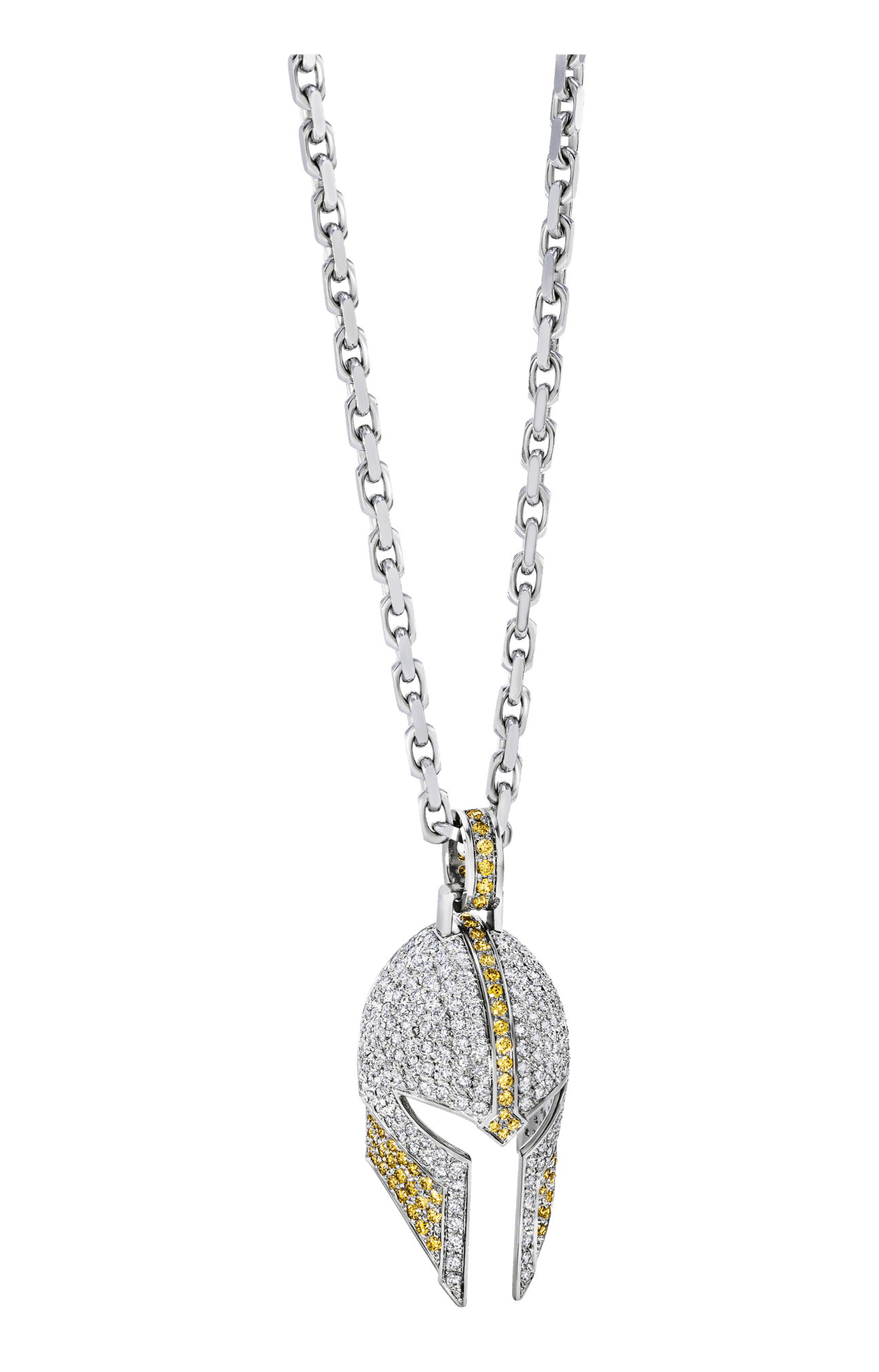
The pieces of Vikar Ahmed include D Flawless diamonds as well as stones in emerald cut and radiant cut. The rings are created as one-of-a-kind pieces in the in-house atelier in Idar-Oberstein, from design and three-dimensional visualization to execution. For engagement rings, the house chooses center stones in clarity IF to VS2, at most a very clean SI1, each with a GIA certificate.
Planning clarity in a bespoke ring
In a ring made to measure, clarity can be used more deliberately than in a finished piece. The stone is chosen before the design, and the setting can respond to it. A characteristic at the edge can be positioned so that a prong covers it. With a large stone in emerald cut, on the other hand, there is little to hide, and clarity should be set higher from the outset.
- Define the cutStep cuts show more of the interior than brilliant cuts. The cut determines which clarity is needed.
- Read the report with its diagramThe diagram of the clarity characteristics shows where the inclusions lie, not just how many there are.
- Match position and settingIf a characteristic lies at the edge, the design can place the prongs so that they cover it.
- View the stone without a loupeUnmounted, from a normal distance, and in different light: this shows what remains visible on the finger.
A bespoke ring has a further advantage. In the three-dimensional visualization, it can be checked before production how high the stone sits and how much of it is exposed. More light from the side makes a stone livelier, but also reveals more. How the center stone of a ring made to measure is selected is described in the guide Center stone in a bespoke ring.
D Flawless or a rare colored gemstone
A D Flawless diamond and a rare colored gemstone represent two kinds of rarity. In the colorless diamond, it lies in absence: no color, no characteristics. In the colored gemstone, it lies in the color itself, in its saturation and evenness. Inclusions are normal in many colored gemstones. For emerald, according to estimates cited by GIA, as many as 90 percent or more of stones have their fissures filled.
For collectors, this is not a question of better or worse, but of preference and documentation. For a diamond, the report documents the grades on fixed scales. For a colored gemstone, it documents identity, treatment, and, for certain stones, origin. Both paths lead to pieces of great rarity. Which colored gemstones belong to this group is shown in the guide Rare colored gemstones.
Frequently asked questions
When is the extra cost of higher clarity worthwhile in diamond rings?
When the difference can be seen or when rarity is sought. It can be seen above all in the emerald cut and in large stones. In smaller brilliants, inclusions of middle grades often remain hidden from the naked eye. The top grades differ only under a loupe and stand for rarity.
For a large diamond ring, is D Flawless quality worthwhile compared with slightly lower clarity?
Hardly for the effect on the finger, very much so for rarity. Between Flawless and VVS lies a difference that only a trained grader sees under tenfold magnification. Anyone who regards the ring as a rare piece finds in D Flawless the top of both scales. Anyone seeking above all visual effect relies more on the cut.
Is the highest clarity worthwhile for a large diamond in a bespoke ring?
Often yes for the emerald cut and other open cuts, because large facets reveal inclusions. For a large brilliant, a medium to high grade is usually sufficient if the characteristics are favorably positioned. In a bespoke ring, the setting can also be matched to the stone so that prongs cover a characteristic at the edge.
For collectors, is a D Flawless diamond ring more worthwhile than a ring with a rare colored gemstone?
That depends on which kind of rarity is sought. D Flawless stands for the top of the color and clarity scales for colorless diamonds. A rare colored gemstone lives from its color, origin, and treatment status. Both need an independent report. No serious forecast can be made as to which stone will be worth more in future.
Where can I have an engagement ring with a flawless diamond made?
At a workshop that presents the stone with its report before the design and can show it unmounted. Flawless means that no inclusions can be found under tenfold magnification. Vikar Ahmed designs engagement rings individually and crafts them in Germany, and the house's pieces include D Flawless diamonds. Before deciding, ask whether a report exists for the stone and what it covers.
Can the difference between VVS and VS be seen in a ring?
As a rule, no. Both grades describe inclusions that are only assessed at tenfold magnification. Exceptions are very large stones and step cuts, where the open table shows more of the interior.
What does eye-clean mean for a diamond?
The trade calls a stone eye-clean if its inclusions cannot be seen without a loupe. The term is not part of the GIA scale and is not uniformly defined. It must therefore always be checked on the individual stone.
Private consultation
Whether an inclusion is disturbing is decided by your own eye. In the showroom in Idar-Oberstein, by appointment, Vikar Ahmed explains what the grades mean on the stone, in person or in a virtual appointment. Request an appointment for a consultation on clarity and cut.
Further reading
- Gemstone Knowledge: Overview
- Gemstone: Diamond
- Glossary: 4Cs
- Emerald-cut diamond rings and brilliants compared
- Diamond ring with a GIA report
- Glossary: D Flawless
Sources
- GIA 4Cs: Diamond Clarity, accessed 2026-11-17
- GIA: Expert Tips for Buying Fancy Shaped Diamonds, accessed 2026-11-17
- GIA: Natural Diamond Reports, Reinheitszeichnung, accessed 2026-11-17
- GIA: Emerald Care and Cleaning, accessed 2026-11-17
- GIA: Colored Stone Reports & Services, accessed 2026-11-17
- GIA: 4Cs Clarity, Reinheitsskala, accessed 2026-11-16
- GIA: Fancy Color Diamond Quality Factors, accessed 2026-11-16
- Vikar Ahmed: Collections, accessed 2026-11-16
- Vikar Ahmed: Verlobungsringe und Engagement, accessed 2026-11-16
A personal conversation starts here.
At the showroom in Idar-Oberstein or by video. Vikar Ahmed discusses your ideas, stones and designs with you and answers your questions calmly and in confidence.





Thank you for your request.
Your request will be handled with the utmost attention and discretion. Vikar Ahmed will get back to you.
Your details
Request
–
Occasion
–
Consultation
–
Contact
–
In the meantime
Insights: What is a Paraíba tourmaline? · Engagement ring to your own design: how does it work?
Confidential and without obligation
Back to the pagePrivate consultation
A personal conversation starts here.
- Time for your questions, wishes and ideas
- In the showroom in Idar-Oberstein or by video
- Confidential, discreet and without obligation
Vikar Ahmed · Hauptstraße 111 · 55743 Idar-Oberstein, Germany