

How Tourmalines Are Treated and How You Learn About It
Tourmaline is a mineral of many colors, and each color has its own treatments. What is common, what can be documented and what the documents should state.

The main treatments of tourmaline are heating and irradiation, along with filling fractures with oil or resin. Which one occurs depends on the color: rubellites are often irradiated, Paraíba tourmalines often heated, green tourmalines often remain untreated. Heating usually cannot be detected. According to CIBJO, every known or possible treatment must be disclosed in writing.
At a glance
- Main methods
- Heating and irradiation, according to GIA the two most important
- Fillings
- Oil, wax or resin in fractures, common in rubellite and Paraíba
- Detecting heating
- According to GIA generally not possible, the color is stable
- Irradiation
- According to GIA, color can fade under heat or bright light
- Trade codes
- H heated, R irradiated, O oil, RES resin, F hardened filling
- Disclosure
- According to CIBJO before the sale and in writing next to the stone name
Heating and irradiation are the main methods
The Gemological Institute of America, GIA for short, names heating and irradiation as the two most important treatments of tourmaline. In heating, the stone is warmed in a controlled way in a furnace. A green that is too dark can become lighter, and with other colors the hue changes. The effect is considered permanent. In irradiation, the color is altered by artificial radiation, according to CIBJO often in rubellites and rarely in yellow and orange stones. Behind this lies a property of the mineral: color centers caused by radiation also occur naturally in tourmalines.
A third group are fillings. Fractures that reach the surface are filled with oil, wax or artificial resin to make them less noticeable. GIA counts tourmaline among the stones in which fillings occur, although less often than other treatments. As a general rule, a treatment is not a defect as long as it is disclosed. It does, however, change the value, sometimes the durability and often the care. The guide Gemstone treatment gives an overview of all methods.
Each color has its own pattern
Tourmaline is a mineral group with very different colors, and treatments follow the color. In the Gemstone Blue Book, the World Jewellery Confederation (CIBJO) lists for each tourmaline variety which treatment occurs and how often. The following overview summarizes these entries. It describes the market, not the individual stone. A green tourmaline can be heated, a rubellite can be untreated. What applies to a particular stone can only be clarified by examination.

| Color | Common | Untreated |
|---|---|---|
| Rubellite, pink to red | Irradiation, resin in fractures | Rare |
| Paraíba, copper-bearing | Heating, oil and resin in fractures | Rare |
| Indicolite, blue | Heating, resin in fractures | Common |
| Verdelite, green | Heating | Common |
| Chrome tourmaline, green | No treatment listed | Common |
| Yellow tourmaline | Heating, almost always | Not listed |
Summary according to CIBJO, The Gemstone Blue Book 2026. Less common treatments are not listed.
The overview explains why the question of treatment has such different answers for tourmalines. With rubellite, an untreated stone is the exception. With Paraíba tourmaline, heating is customary and fillings are common. For green chrome tourmaline, by contrast, CIBJO lists no customary treatment. Anyone choosing a stone for a one-of-a-kind piece should therefore ask, based on the color, which treatment is to be expected, and then check what is documented for that exact stone.
What can be detected and what cannot
Detectability differs greatly between the three methods. According to GIA, a qualified gemologist can recognize fillings under magnification. For Paraíba tourmaline, the Swiss laboratory SSEF grades the amount of a filling as minor, moderate or significant and does not mention insignificant amounts. Heating is different. According to GIA, the changes caused by heat are stable and undetectable. A laboratory can then only record that it found no indications.
For Paraíba tourmaline, SSEF uses three findings: no indications of heating, indications of heating or, if the question cannot be resolved, the statement that the color may have been enhanced or modified by heating. The third statement is not a suspicion against the stone but an honest limit of the method. How laboratories handle this limit with Paraíba is explained in the guide Disclosing treatment of Paraíba tourmaline.
Good to know
A GIA identification report names the gem species and the detectable treatments. Undetectable treatments may be missing from it. Disclosure therefore also includes what the seller knows about the history of the stone.
What a correct disclosure looks like
In the Gemstone Blue Book, CIBJO describes how treatments are disclosed. It requires that buyers learn before the transaction which treatment a stone has undergone, and that the treatment appears on the invoice next to the name of the stone. If a treatment is possible but cannot be documented, for example because it cannot be detected scientifically, the possible treatment should be stated. CIBJO explicitly rejects the terms naturally treated gemstone and treated natural gemstone.
- Name the gem speciesTourmaline with a color descriptor or variety, such as rubellite or Paraíba tourmaline, without misleading additions.
- State the treatment next to itFor example heated, artificially irradiated or fractures filled with resin, in writing on the invoice.
- Name possible treatmentIf heating cannot be detected, the note that the color may have been altered belongs with it.
- State care requirementsFilled stones need special care, and CIBJO requires a note on this.
In the trade, treatments are often noted with codes that CIBJO intends only for internal use: H for heated, R for artificially irradiated, O for oil in fractures, RES for resin or plastic in fractures, F for hardened fillings. Toward customers, treatments should be written out in full. What the World Jewellery Confederation regulates in general is found in the glossary under CIBJO, and the glossary explains the term itself under Treatment.
What treatment means for wear and care
According to CIBJO, heated tourmalines are considered stable. GIA points out, however, that strong heat can make a stone somewhat more brittle, so pointed corners and edges then need more protection. CIBJO also classifies irradiated tourmalines as stable. GIA, on the other hand, notes that color from irradiation can fade under heat or bright light. CIBJO considers fillings with oil, wax or resin not permanent. According to GIA, air pressure, heat and chemicals can alter them.
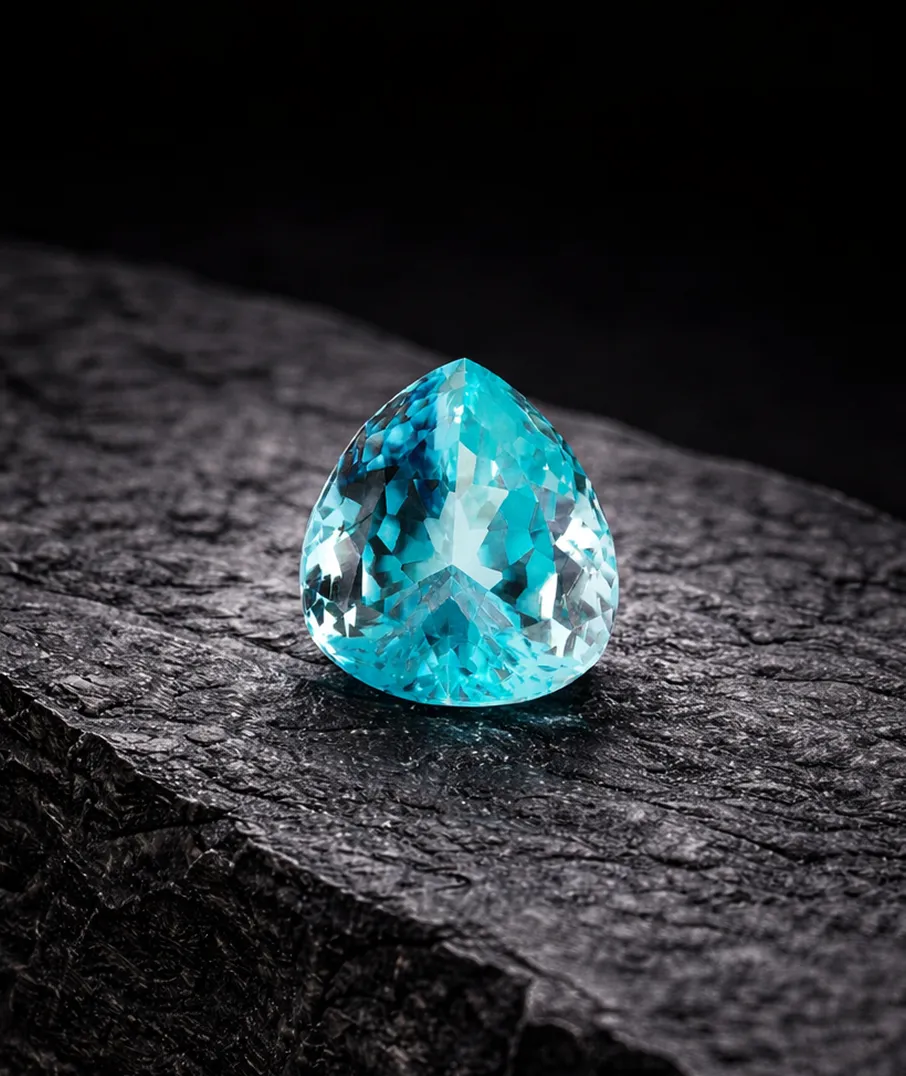
For care, this means: clean tourmaline with warm soapy water and avoid ultrasonic and steam cleaners. GIA advises against them for tourmaline in general, and for filled stones CIBJO explicitly rules out ultrasonic cleaning and advises keeping them away from solvents, chemicals and heat. Tourmaline has a hardness of 7 to 7.5 and fair toughness. Sudden temperature changes can cause it to fracture. For repairs to the setting, the goldsmith should know whether the stone is treated.
Common mistakes when looking at treatment
- Reading missing information as untreated. Silence is no statement about the stone.
- Confusing no indication of heating with proven unheated.
- Assuming that every tourmaline is treated the same way. Rubellite and chrome tourmaline follow different patterns.
- Not asking about the stability of the treatment and caring for the stone incorrectly.
- Using an ultrasonic bath for a filled tourmaline.
The second point is the most common misconception. Because heating often cannot be documented in tourmaline, a laboratory cannot always confirm an unheated stone as such. A report without indications of heating is therefore a good statement, but not an absolute one. How laboratories phrase findings and which reports exist is described in the guide Gemstone report. For red tourmaline in particular, the guide Untreated rubellite is worth reading.
Tourmalines at Vikar Ahmed
Tourmalines are at the center of the Maison Vikar Ahmed: Paraíba tourmaline is its centerpiece, and the pieces shown also include Lagoon tourmaline, Namibian tourmaline and rubellite. The pieces are made as one-of-a-kind pieces in the in-house atelier in Idar-Oberstein, where the goldsmiths set the stones and polish them by hand. CIBJO rules require treatments to be disclosed. The house states every treatment in the consultation and in writing on the certificate, expert report, and invoice, and for Paraíba the laboratory finding notes “heated” or “no indications of heating”. The page Tourmaline gives an overview of the mineral.
Frequently asked questions
Which tourmalines are treated most often?
According to the CIBJO Gemstone Blue Book, mainly rubellites and Paraíba tourmalines. Rubellites are often irradiated and their fractures often filled with resin, while Paraíba tourmalines are often heated and filled. Yellow tourmalines are almost always heated. Green chrome tourmalines and many blue and green tourmalines, by contrast, often remain untreated.
Can a laboratory tell whether a tourmaline has been heated?
Usually not. According to GIA, the changes caused by heat in tourmaline are stable and undetectable. Laboratories such as SSEF then state that no indications of heating were found, or that the color may have been modified by heating. This is not definitive proof of an unheated stone.
Is the color of an irradiated tourmaline permanent?
CIBJO classifies irradiation of tourmaline as stable. GIA points out, however, that color produced by irradiation can fade under heat or bright light. Irradiated stones should therefore not be exposed to strong sun or heat for long periods, including during setting or repair.
How can I tell whether a tourmaline is filled?
Rarely with the naked eye. According to GIA, a qualified gemologist recognizes fillings under magnification. A laboratory report names the filling and, at SSEF, also its amount, from minor to significant. SSEF does not mention insignificant amounts in the report.
Does a seller have to disclose the treatment of a tourmaline?
According to CIBJO rules, yes, before the sale and in writing on the invoice next to the name of the stone. If a treatment is only possible but cannot be documented, it should also be stated. GIA describes disclosure as necessary and legally required, referring to the trade it describes.
How do I care for a treated tourmaline?
With warm soapy water and a soft brush. Avoid ultrasonic and steam cleaners, and keep filled stones away from solvents, chemicals and heat. Strong heat and sudden temperature changes harm every tourmaline. For any work on the piece, the goldsmith should know about the treatment.
Private consultation
Which treatment to expect with a tourmaline and which documents should accompany it are best discussed with the stone at hand. Vikar Ahmed advises by appointment in the showroom in Idar-Oberstein, or in a virtual appointment if you prefer. Your inquiry is treated discreetly. Request an appointment for a private consultation.
Further reading
- Untreated Paraíba tourmaline
- Understanding colored gemstone jewelry
- Glossary: untreated
- CIBJO product disclosures
- Gemstone: Tourmaline
Sources
- GIA: Tourmaline Care and Cleaning Guide, accessed 2026-11-17
- GIA: Gem Treatment, accessed 2026-11-17
- GIA: Tourmaline Description, accessed 2026-11-17
- GIA: Colored Stone Reports, accessed 2026-11-17
- CIBJO: The Gemstone Blue Book 2026, accessed 2026-11-17
- SSEF: Paraiba Tourmaline, accessed 2026-11-17
- Vikar Ahmed: Collections, accessed 2026-11-16
- Vikar Ahmed: Bespoke, Designprozess, accessed 2026-11-16

A personal conversation starts here.
At the showroom in Idar-Oberstein or by video. Vikar Ahmed discusses your ideas, stones and designs with you and answers your questions calmly and in confidence.





Thank you for your request.
Your request will be handled with the utmost attention and discretion. Vikar Ahmed will get back to you.
Your details
Request
–
Occasion
–
Consultation
–
Contact
–
In the meantime
Insights: What is a Paraíba tourmaline? · Engagement ring to your own design: how does it work?
Confidential and without obligation
Back to the pagePrivate consultation
A personal conversation starts here.
- Time for your questions, wishes and ideas
- In the showroom in Idar-Oberstein or by video
- Confidential, discreet and without obligation
Vikar Ahmed · Hauptstraße 111 · 55743 Idar-Oberstein, Germany